

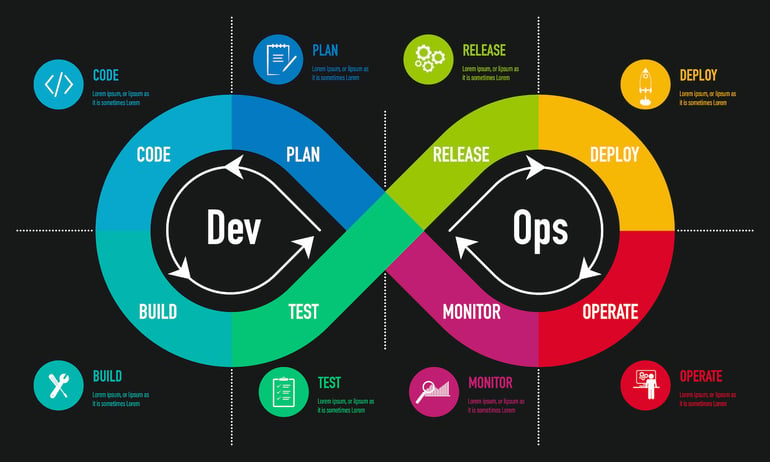
We discuss the concept of DevOps principles and highlight seven core philosophies. Learn more about DevOps concepts.
DevOps is a transformative approach that brings software development and IT operations teams together to improve collaboration, streamline workflows, and support continuous software delivery. While many organizations view DevOps as a collection of practices for delivering high-quality software faster, its true value extends beyond tools and processes. To fully benefit from DevOps, teams should embrace it as a cultural mindset.
This guide explores the core values and principles that form the foundation of DevOps. Understanding these principles can provide a clearer view of how DevOps works while also helping your team establish effective best practices, reduce unnecessary complexity, and build a stronger path toward long-term success.
DevOps Collaboration
At its core, DevOps brings together software development (Dev) and IT operations (Ops) teams. Collaboration is therefore one of the most important principles of the DevOps approach. By working closely together, development teams can build and configure software with operational requirements in mind, while operations teams can begin testing earlier to ensure the software meets the necessary standards.
Effective collaboration depends on clear and consistent information sharing. When an issue is discovered during deployment, it should be properly documented and communicated to the development team so it can be addressed in future releases. Open communication also helps create a shared sense of ownership and responsibility across the entire software development lifecycle (SDLC).
However, successful DevOps collaboration involves more than simply sharing information. Feedback is equally important. Positive feedback can recognize team achievements, boost motivation, and reinforce the value of each team member’s contribution. Constructive feedback, on the other hand, helps teams identify weaknesses and continuously improve the software they deliver.
Feedback should be collected throughout the development and deployment process through continuous monitoring, performance metrics, and regular evaluation. Customer feedback is also valuable, as it helps teams better understand user needs, improve products, and deliver a more satisfying experience to end users.
Make Decisions Based on Data
Data-driven decision-making is another important principle of DevOps. Instead of relying on assumptions, teams should use measurable facts and relevant information to guide their choices. For example, when selecting a new technology or DevOps tool to improve a workflow, teams should evaluate the available data for each option. Consider how the tool has performed, whether it supports your team’s key metrics, and how well it aligns with your overall goals.
One useful metric is the average time required to resolve an issue. The longer a problem remains unresolved, the greater its potential impact on the software, users, and business operations. By establishing an average resolution time as a benchmark, teams can evaluate whether a new process or tool improves efficiency. Comparing results against the existing benchmark makes it easier to determine whether a change is delivering positive results or creating additional challenges.
Keep Customers in Mind
DevOps also emphasizes making decisions with the customer in mind. Since one of the main goals of DevOps is to deliver continuous value, actions and decisions should focus on meeting customer needs and improving their overall experience.
Before making an important decision, teams should consider how it will affect the end user. Customer feedback plays a valuable role in this process by helping teams understand what is working, what needs improvement, and how future updates can better meet user expectations.
Continuous monitoring of application performance also allows DevOps teams to identify and resolve issues before they significantly affect customers. Real-time monitoring tools can reveal how users interact with an application and highlight potential problem areas. With the speed and flexibility of the DevOps lifecycle, teams can quickly release updates, address issues, and provide users with a smoother and more reliable experience.
DevOps Automation
DevOps enables teams to deliver software, patches, updates, and new features more quickly. A major reason for this increased speed is automation. DevOps teams aim to automate as many stages of the software development lifecycle (SDLC) as possible to create faster, more efficient, and reliable workflows.
Automation does more than speed up processes. It reduces the need for team members to spend time on repetitive and time-consuming manual tasks. This allows developers and other professionals to focus on more valuable work, such as writing code, researching new features, solving complex problems, and developing creative solutions. As a result, automation can also improve productivity and job satisfaction while reducing the risk of human error.
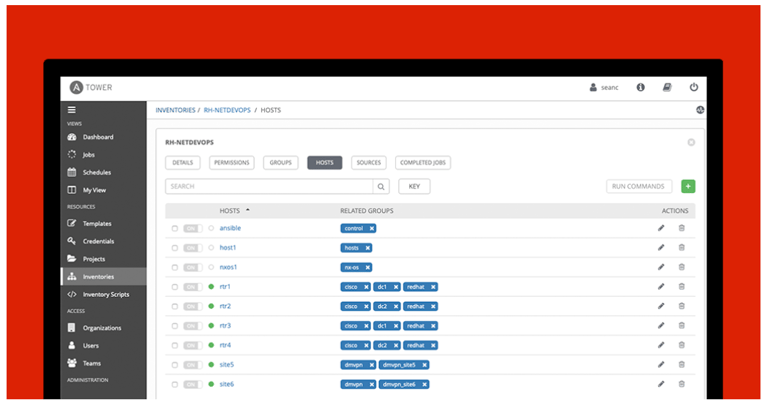
Project managers and developers can automate various processes, including infrastructure management, testing, deployment, monitoring, and more. A wide range of DevOps automation tools can support these efforts, including Ansible, Jenkins, Bamboo, Chef, and GitLab CI/CD. By using the right tools and automation strategies, teams can streamline their workflows and deliver high-quality software more efficiently.
Continuous Improvement
Continuous improvement is a fundamental principle of DevOps. It encourages teams to consistently enhance their software through regular updates, performance improvements, bug fixes, and new features. This approach aligns closely with the Agile methodology, which emphasizes delivering software through small, incremental releases rather than waiting for one large, final release.
Traditionally, development teams often aimed to create a complete and polished product before making it available to users. Although this approach sounds ideal, striving for perfection from the beginning can lead to lengthy development cycles and delayed releases as teams spend more time identifying and resolving issues.
DevOps takes a different approach by encouraging teams to release a minimum viable product (MVP) as quickly as possible. An MVP includes enough core functionality to address the most important customer needs. Once it is released, teams can use feedback, performance data, and real-world usage to gradually improve the product and introduce valuable new features.
This incremental approach allows customers to start benefiting from the software sooner instead of waiting for every feature to be completed. As new features and improvements are introduced over time, users can become familiar with them gradually. This creates a smoother adoption process while giving development teams continuous opportunities to refine the product based on actual user needs.
End-to-End Responsibility
In a traditional software development model, the development team writes and builds an application before handing it over to the operations team for testing, deployment, and delivery. If problems or bugs are discovered during these later stages, the operations team may be left responsible for addressing them, even though the development team originally created the code.
DevOps takes a more collaborative approach by promoting shared responsibility across the entire product lifecycle. Rather than dividing responsibility between development and operations at different stages, both teams work together from development through deployment and ongoing maintenance. They collaborate to identify problems, resolve issues, and deliver improvements throughout the software lifecycle.
Developers who understand the source code most thoroughly can take an active role in resolving bugs and implementing improvements or new features. This shared ownership encourages teams to focus on code quality, address problems as they arise, and continuously improve the final product. Ultimately, this approach helps create more reliable software and a better experience for customers.
Embrace Failure
DevOps encourages flexibility by treating software development as a continuous process of learning and improvement. As applications evolve, the processes used to build, test, and deploy them should evolve as well. One important part of this mindset is being willing to take calculated risks, accept failure, and use unsuccessful attempts as opportunities to learn.
Every experiment carries the possibility of both success and failure. Even when an idea does not produce the expected results, the outcome can provide valuable information about what works and what does not. Teams can use these lessons to make better, data-driven decisions and improve their strategies in future development cycles.
However, embracing failure does not mean allowing mistakes to negatively affect customers. DevOps teams can reduce this risk through early and continuous testing. Identifying problems before deployment gives teams an opportunity to fix them before they reach production, allowing them to learn from failures while maintaining a reliable customer experience.
Frequently Asked Questions
What is end-to-end responsibility in DevOps?
End-to-end responsibility means development and operations teams share ownership of the software throughout its entire lifecycle, from development and testing to deployment and maintenance.
Why is shared responsibility important in DevOps?
Shared responsibility improves collaboration, helps teams resolve issues faster, and encourages developers and operations professionals to work toward the same goals.
Why does DevOps encourage teams to embrace failure?
DevOps treats failure as a learning opportunity. Teams can analyze unsuccessful experiments to understand what went wrong and use those insights to make better decisions in future development cycles.
Does embracing failure mean allowing bugs into production?
No. DevOps encourages teams to experiment safely and identify problems early. Continuous testing helps detect and fix issues before they reach customers.
How does early testing support DevOps?
Early testing allows teams to identify bugs and performance issues before deployment. This reduces the risk of production problems and helps teams deliver more reliable software.
Here’s a concise, professional conclusion that ties the key DevOps principles together:
Conclusion
DevOps is more than a collection of tools and development practices; it is a collaborative culture that brings development and operations teams together around shared goals. Principles such as collaboration, data-driven decision-making, customer focus, automation, continuous improvement, end-to-end responsibility, and learning from failure help teams build more efficient and reliable software delivery processes.
When these principles are applied consistently, organizations can respond to issues faster, release updates more frequently, improve software quality, and deliver greater value to customers. The real strength of DevOps comes from treating development and operations as a connected process, allowing teams to learn, adapt, and improve throughout the entire software lifecycle.
