


Best Smart Speakers Review: Which One Sounds Best in 2026
Here is a confession: I used to think smart speakers were just expensive alarm clocks with opinions. Then I put one in my kitchen, and within a week it was running my timers, my lights, my morning playlist, and — embarrassingly — settling my arguments about movie trivia. The question is not whether you need a smart speaker in 2026. It is which one deserves a spot on your shelf.
We tested the leading smart speakers for sound quality, voice accuracy, smart-home chops, and real-world value. Whether you are building your first smart home or upgrading a tired old speaker, this review will land you on the right pick. And if you are going all-in on home automation, do not miss our guide to the best smart home devices of 2026 — plus our best wireless earbuds review for when the music needs to follow you out the door.
How We Reviewed These Smart Speakers
Every speaker below was judged on the same five things real buyers actually care about:
- Sound quality: music first — bass, clarity, and how full a room it fills.
- Voice assistant smarts: how well it answers, follows up, and handles complex commands.
- Smart-home control: compatibility with lights, locks, thermostats, and routines.
- Ecosystem fit: how naturally it slots into Apple, Google, or Alexa households.
- Value: what you get for the price, including multi-room and stereo-pair options.
Best Smart Speakers in 2026: The Shortlist
1. Sonos Era 100 — Best Overall Sound
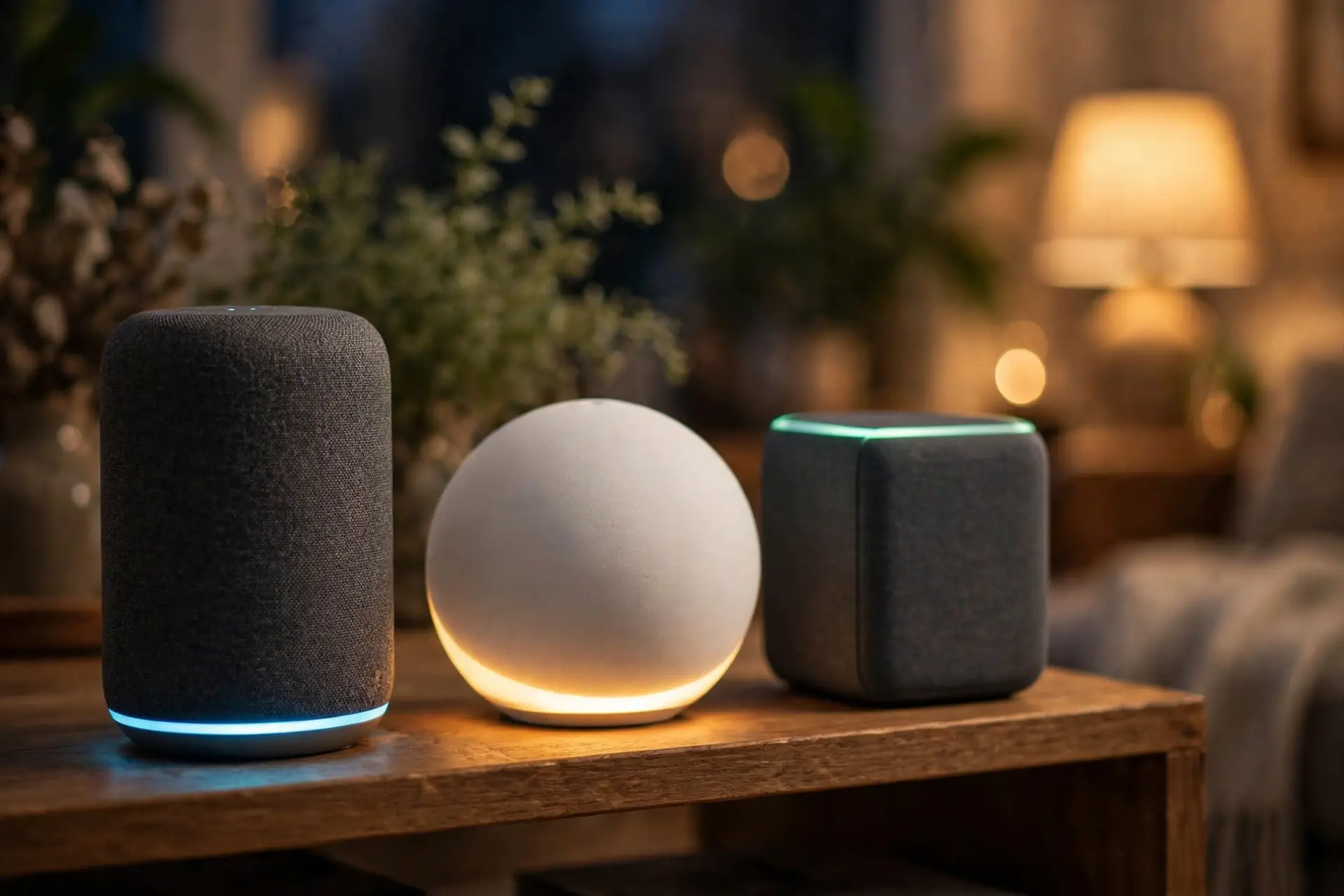
If sound comes first, the Era 100 is the speaker to beat. Dual angled tweeters and a mid-woofer deliver stereo from a single compact box, Trueplay tuning adapts the sound to your room, and it plays friendly with Alexa, Sonos Voice Control, and AirPlay 2 — so you are not locked into one ecosystem. Stereo-pair two of them and you have a genuine hi-fi setup. The one gap: no Google Assistant support, which stings for Google households. At around $249, it is the audiophile’s smart speaker.
2. Amazon Echo (4th Gen) — Best Value
The Echo (4th Gen) remains the all-rounder champion. The spherical design hides surprisingly full 360-degree audio, a built-in Zigbee hub controls smart-home gear without extra hardware, and Alexa’s skill ecosystem is still the broadest of any platform. Routines, multi-room music, and Drop In calling all work flawlessly. Sound is good rather than great — music lovers will hear the difference next to a Sonos — but at around $100, nothing else does this much for the money.
3. Apple HomePod (2nd Gen) — Best for Apple Users
For iPhone households, nothing else comes close. The HomePod’s room-sensing audio produces the widest soundstage of any single smart speaker here, Siri handles HomeKit commands and Apple Music beautifully, and most processing happens on-device for a real privacy edge. But be honest with yourself: outside the Apple ecosystem it does not earn its $299 price — there is no Bluetooth streaming in the usual sense and Android support is effectively zero.
4. Google Nest Audio — Best for Google Households
If your phone, calendar, and photos live on Google, the Nest Audio is the natural pick. Google Assistant remains the smartest voice assistant for complex questions and contextual follow-ups (“who directed that?” → “what else did they make?”), and Chromecast integration makes multi-room audio effortless. The sound — warm mids, clear vocals, decent bass — punches above its sub-$100 price. It is not going to replace a proper speaker, but as a smart speaker it is superb value.
5. Amazon Echo Pop — Best Budget Pick
At around $40, the Echo Pop is the cheapest credible way into the smart-speaker world. It is a semi-sphere that fits anywhere — nightstand, bathroom shelf, kid’s room — and gives you full Alexa: alarms, timers, smart-home control, and answers. Sound is small and thin, so buy it for the brains, not the bass. Perfect as a second or third speaker to extend Alexa into every room.
Best Smart Speakers 2026: Comparison Table
| Speaker | Voice Assistant | Sound Quality | Smart-Home Hub | Best For | Price |
|---|---|---|---|---|---|
| Sonos Era 100 | Alexa / Sonos Voice | Excellent | No | Best sound, ecosystem flexibility | ~$249 |
| Amazon Echo (4th Gen) | Alexa | Very good | Zigbee built in | Best overall value | ~$100 |
| Apple HomePod (2nd Gen) | Siri | Excellent | HomeKit / Thread | Apple ecosystem | $299 |
| Google Nest Audio | Google Assistant | Good | No | Google households | ~$100 |
| Amazon Echo Pop | Alexa | Decent | No | Budget / extra rooms | ~$40 |
The Ecosystem Question: Start With What You Own
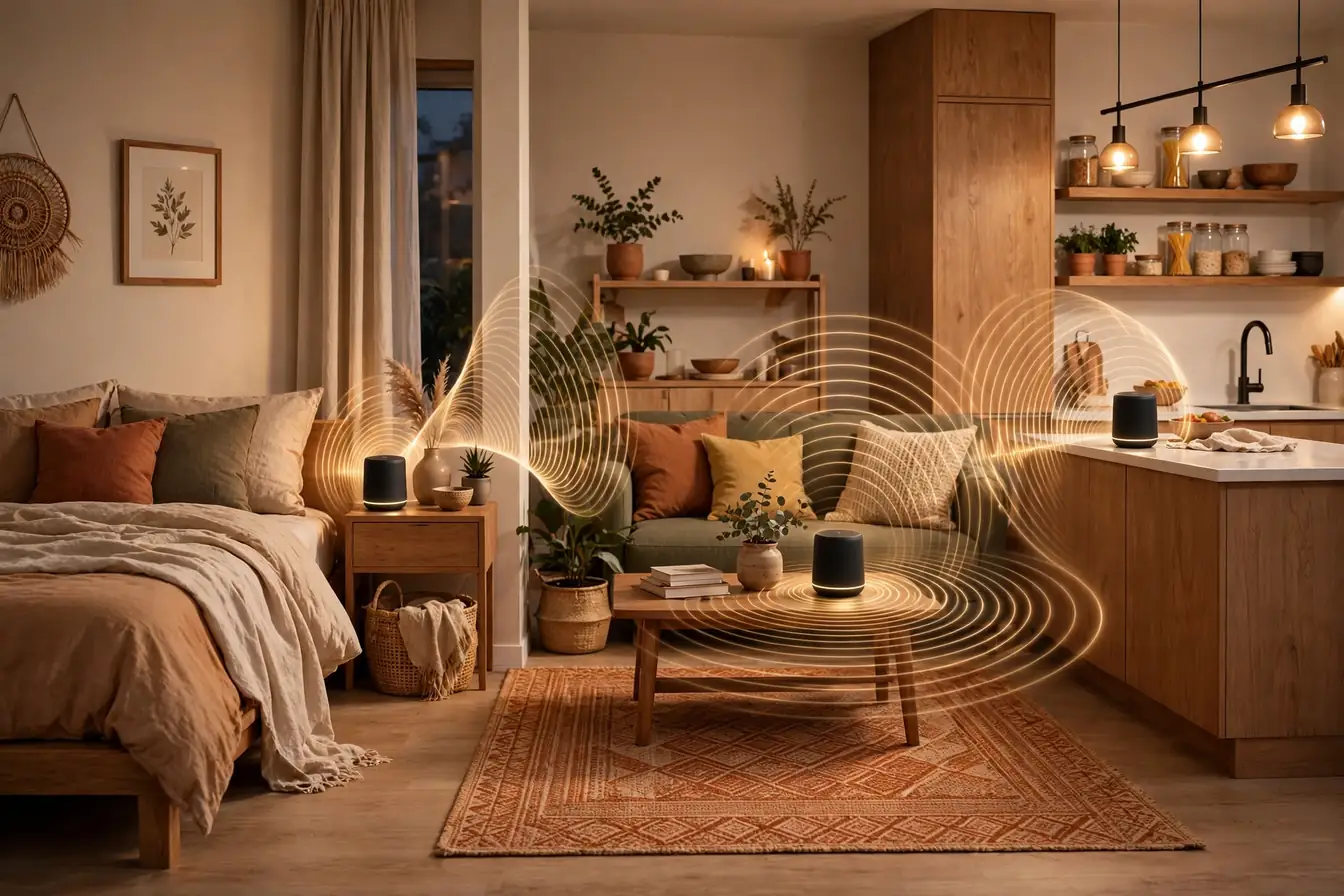
This is the advice most buyers ignore, and it matters more than any spec sheet. The assistant that already runs your phone, lights, and thermostat should pick your speaker:
- iPhone + Mac + iPad: HomePod (2nd Gen) — or a Sonos Era 100 with AirPlay if you want ecosystem flexibility.
- Android + Chromecast + Nest: Google Nest Audio, full stop.
- Alexa devices + Ring + lots of smart-home gear: Amazon Echo — the broadest compatibility of any platform.
- No ecosystem yet: Amazon Echo for maximum compatibility, or Sonos Era 100 if audio quality leads.
A speaker that cannot talk to the devices you own is just a Bluetooth speaker with extra steps. Match the ecosystem first; compare sound second.
Sound Quality vs Smarts: The Real Trade-Off
Here is the honest tension in this category: the best-sounding speakers (Sonos Era 100, HomePod) are not the smartest assistants, and the smartest assistants (Nest Audio’s Google Assistant, Echo’s Alexa) do not sound the best. Nobody has nailed both at one price yet.
My rule of thumb: buy for the room. The living room — where music actually matters — deserves the Sonos or HomePod. Bedrooms, kitchens, and offices — where you mostly need timers, alarms, and answers — are perfect for an Echo or Nest Audio. And thanks to Matter support across brands, mixing speakers is less painful than it used to be.
Smart Speakers and Privacy: What to Know
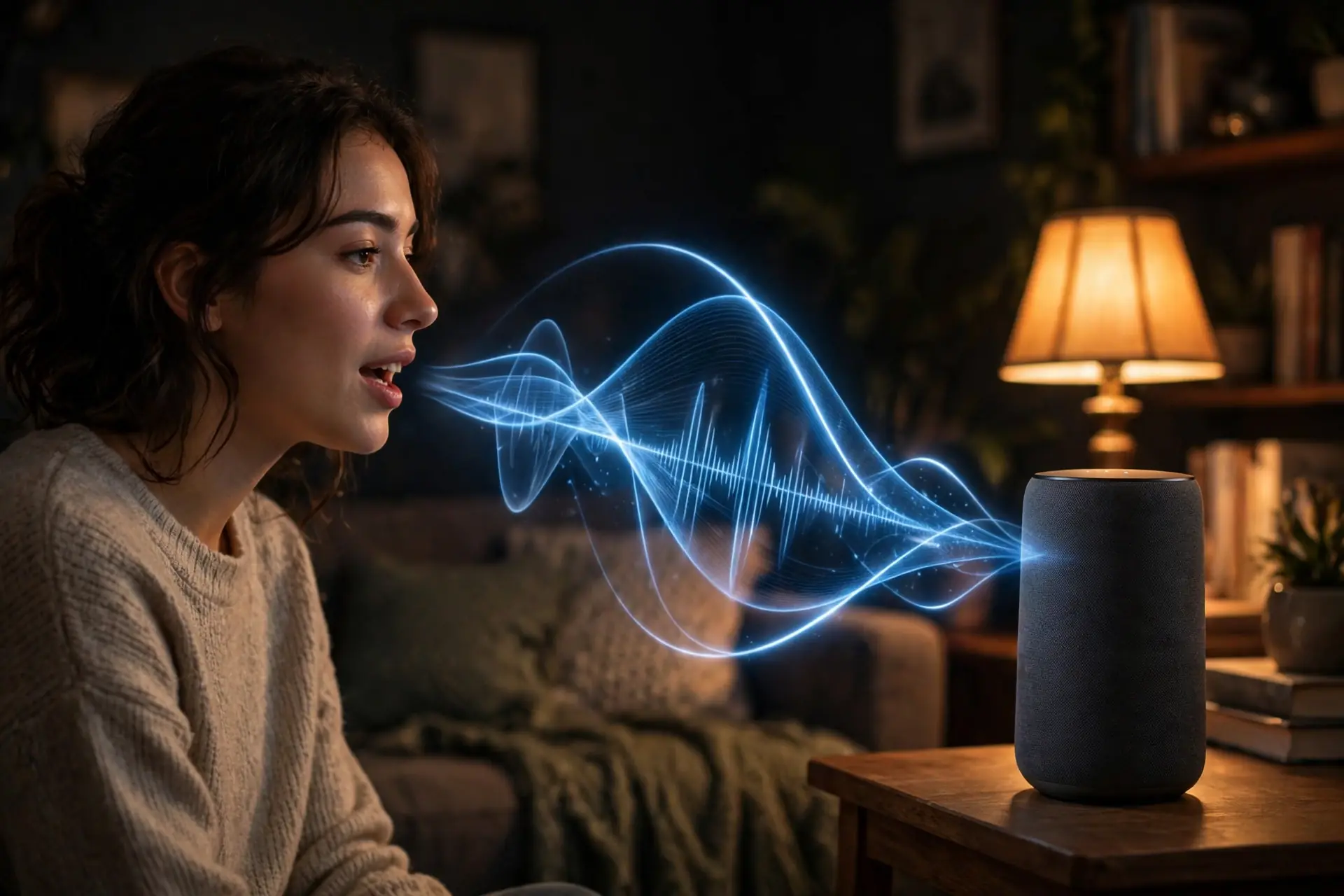
Let us address the microphone in the room. Smart speakers listen for a wake word locally and only stream audio after hearing it — but it is still a microphone in your home. Practical steps: mute the mic when you are not using voice features, review and delete voice recordings periodically in your assistant’s app, and know that the HomePod processes most requests on-device, giving it the strongest privacy story. If privacy is a top concern, Apple is the safest pick.
For background on how the category evolved, the smart speaker article on Wikipedia covers the technology from the first Echo to today’s AI-driven models.
FAQ: Best Smart Speakers 2026
What is the best smart speaker for most people in 2026?
The Amazon Echo (4th Gen) is the best all-around pick — built-in smart-home hub, the largest voice-skill ecosystem, and a ~$100 price. Choose the Google Nest Audio instead if you are deep in Google’s ecosystem.
Are the HomePod and Sonos Era 100 worth the premium?
Yes, if music quality matters to you. Both sound noticeably better than any Echo or Nest speaker. A stereo pair of either fills a living room properly; plain Echo or Nest speakers are fine for podcasts and casual listening but thin for music.
Which voice assistant is smartest in 2026?
Google Assistant still leads for general knowledge questions and contextual follow-ups. Alexa has the most third-party skills and the broadest smart-home compatibility. Siri is the weakest for general questions but the best integrated with Apple services and the most private.
Should I get a smart speaker with a screen?
A screen speaker like the Echo Show 8 is genuinely useful in kitchens (recipes) and for video calls, but it is overkill if you mainly want music — a standard Echo or Nest Mini at half the price suits nightstands better.
Do smart speakers work with Matter smart-home devices?
Yes — Matter support across the major platforms means smart bulbs, plugs, and thermostats now work across brands, so you worry less about picking the “wrong” ecosystem than a few years ago.
Final Verdict
So, which smart speaker sounds best in 2026? For pure audio, the Sonos Era 100 takes the crown with the HomePod (2nd Gen) right beside it for Apple loyalists. For everyone else, the Amazon Echo (4th Gen) remains the smartest buy — it does the most, costs the least, and plays nice with nearly everything. Match your ecosystem, buy for the room, and you cannot go far wrong.
