


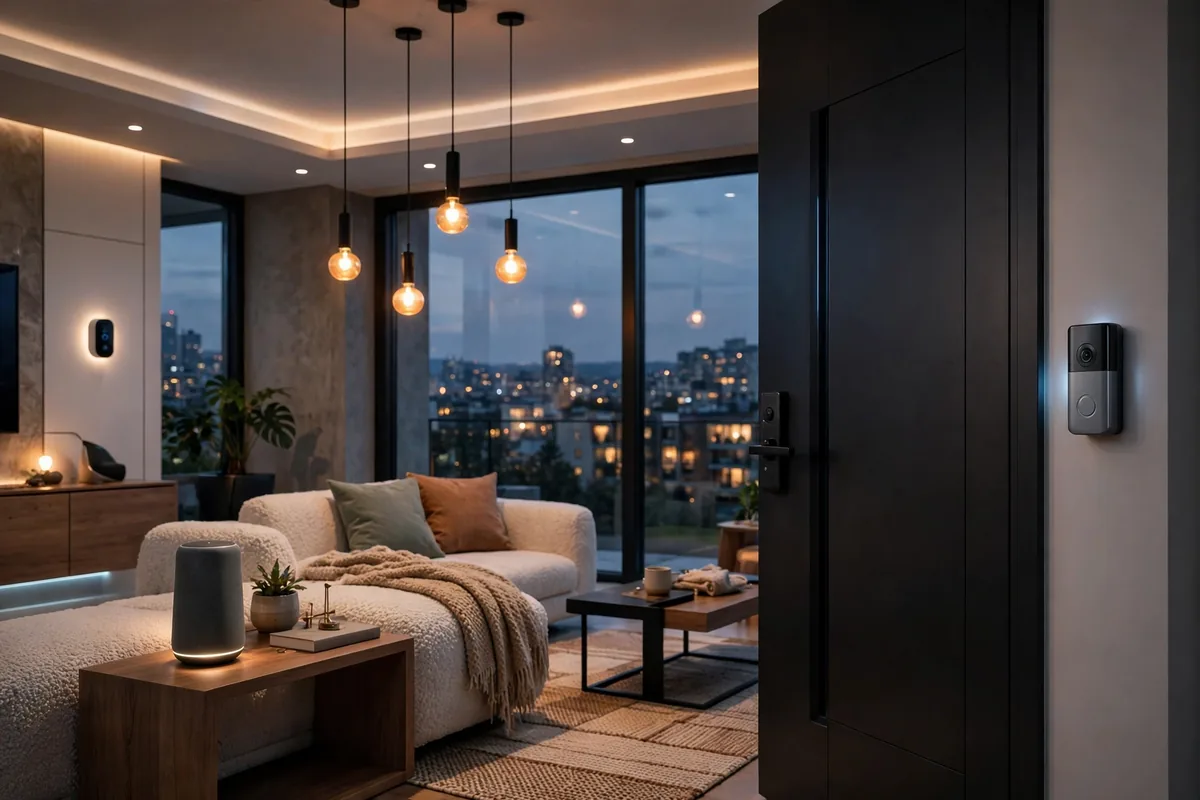
A smart home used to mean a single voice assistant on a kitchen counter. In 2026, it means something much more practical: lights that adjust themselves, a doorbell that shows you who’s there from anywhere, and a thermostat that learns your schedule better than you know it yourself.
The trick is starting with the right devices. Buy randomly and you end up with five apps, three hubs, and a headache. Buy with a plan and everything just works. If you enjoy discovering clever tech, our roundup of useful gadgets is a good companion read — several smart home picks started life there.
Many of today’s devices are also getting smarter thanks to on-device AI tools that learn your routines instead of just following schedules. Here’s a room-by-room guide to the best smart home devices in 2026 — what to buy, what to skip, and what to check before you spend anything.
Start With the Hub: The Brain of Your Smart Home
Before buying anything else, decide how your devices will talk to each other. In 2026, the Matter standard has made this much easier — devices from different brands can finally work together without workarounds. A smart speaker or dedicated hub that supports Matter, Thread, and your voice assistant of choice is the foundation everything else builds on.
If you already use a particular voice assistant daily, stay in that ecosystem. Mixing assistants across rooms is the fastest way to turn a smart home into a confusing one.
Living Room: Smart Speaker and Streaming
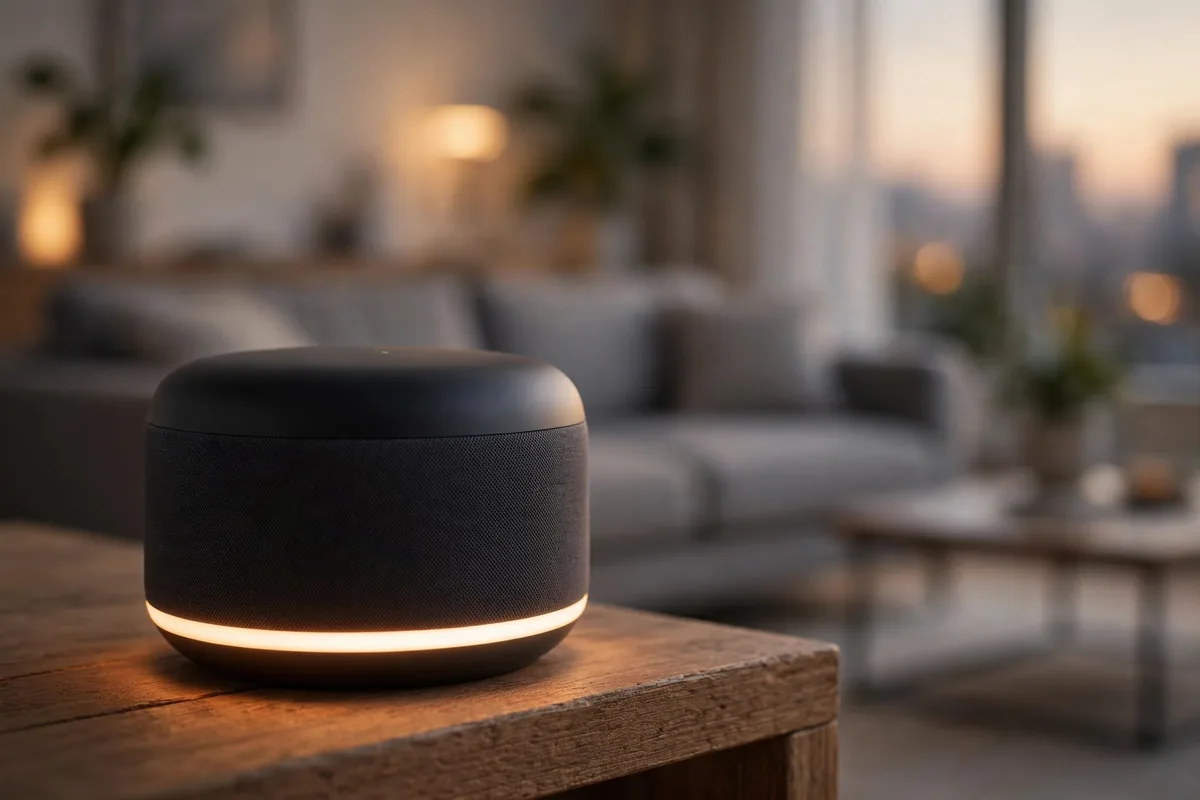
The living room is where smart home tech earns its keep. A good smart speaker handles music, timers, questions, and device control from the couch. Pair it with a streaming stick or box and your TV becomes part of the system too — dim the lights with a voice command when the movie starts.
Look for speakers with genuinely good sound, not just a smart assistant bolted onto a mediocre driver. You’ll use it for music far more than for turning off lights.
Kitchen: Smart Display and Plugs
A smart display in the kitchen is quietly one of the most useful smart home devices you can buy. Recipes on screen, timers you can see across the room, video calls while you cook — it earns its counter space. Smart plugs are the unsung heroes here too: put the coffee maker, the kettle, or an old lamp on a schedule without replacing the appliance itself.
Bedroom: Smart Bulbs and Sleep Routines
Smart bulbs make the biggest difference in the bedroom. Wake up to light that gradually brightens instead of an alarm blaring in the dark, and wind down with warm dim light in the evening. It’s a small change that genuinely improves how mornings feel.
Start with two or three bulbs, not a whole-house overhaul. You’ll learn what color temperatures you like before spending real money.
Entryway: Video Doorbell and Smart Lock
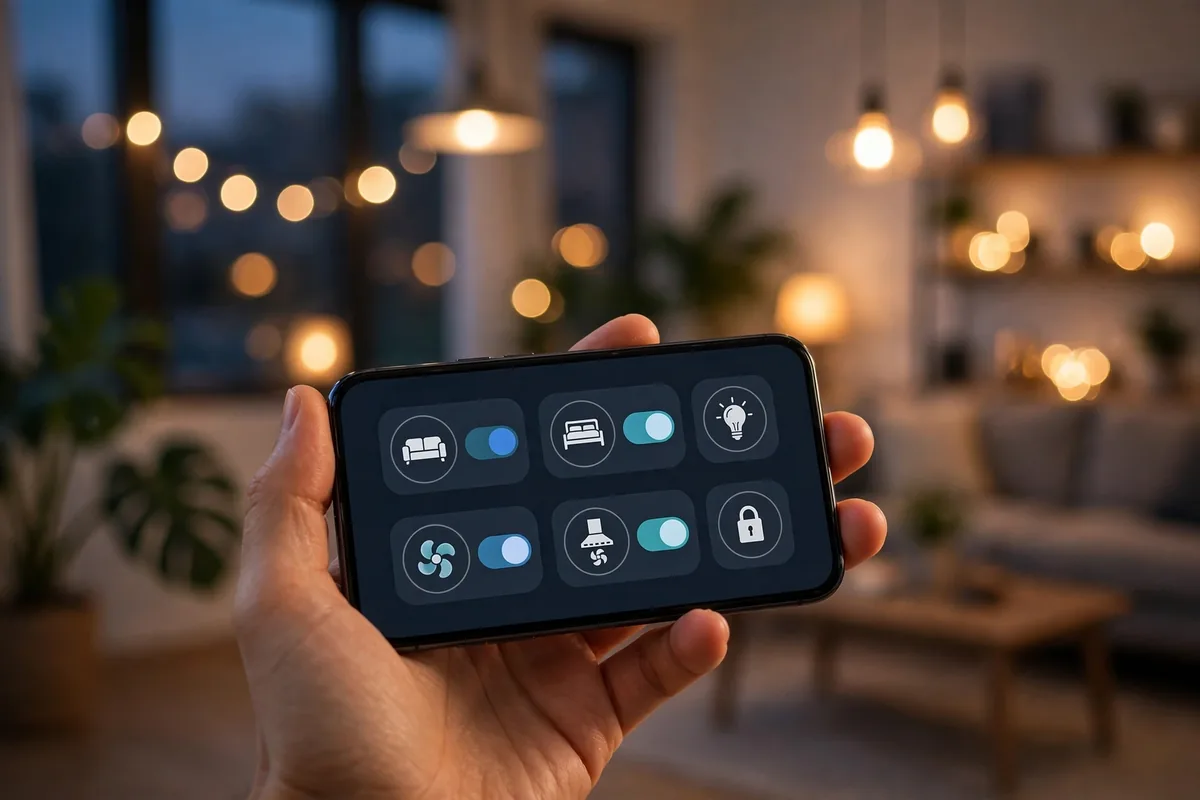
A video doorbell plus a smart lock is the highest-value smart home combo for most people. See and talk to visitors from anywhere, get alerts for packages, and never wonder whether you locked the door. Keyless entry codes mean no more hiding a spare key under the mat.
Check your door and Wi-Fi coverage before buying. A doorbell with a weak signal is worse than no doorbell — missed alerts defeat the entire purpose.
Everywhere: Smart Thermostat
A smart thermostat pays for itself. Learning your schedule, adjusting when nobody’s home, and giving you room-by-room control can cut heating and cooling bills noticeably. It’s the least exciting smart home device and the one with the clearest return on investment.
What to Check Before You Buy
Compatibility First
Look for the Matter logo on the box. In 2026 it’s the closest thing to a guarantee that a device will work with your existing setup regardless of brand. Without it, check the manufacturer’s compatibility list carefully.
Privacy and Data
Smart home devices collect data about your home by design — that’s how they work. Prefer brands with clear privacy policies, local processing options, and physical mute switches on microphones and cameras. Read what happens to your recordings before you mount a camera.
Wi-Fi Capacity
Twenty smart devices can strain an old router. If your Wi-Fi already struggles, upgrade your network before adding devices. A mesh system is worth it once you pass a dozen connected gadgets.
Home automation has been a promise for decades; in 2026 the technology has finally caught up with the marketing. The devices work, the standards mostly agree with each other, and the prices have come down to impulse-buy territory for the basics.
Smart Home on a Budget: Where to Start
You don’t need $1,000 to start. The highest-impact starter kit costs under $150: a smart speaker with a built-in hub, two smart bulbs for the bedroom, and a smart plug for the living room lamp. That combination teaches you the ecosystem, and you’ll quickly learn which rooms deserve more investment.
Buy during holiday sales. Smart home devices are among the most heavily discounted tech products — Black Friday and Prime Day routinely cut prices 30–40%. There’s rarely a reason to pay full price if you can wait a few weeks.
Avoid the cheapest no-name brands for anything security-related. A bargain smart bulb is fine; a bargain smart lock or camera is not. Spend the savings from discounted bulbs on a reputable doorbell or lock instead.
Frequently Asked Questions
How much does it cost to set up a smart home in 2026?
A starter setup — hub, a few bulbs, and a smart plug — runs under $150. A comfortable whole-home setup with doorbell, lock, and thermostat lands between $500 and $1,000.
Do smart home devices work without internet?
Mostly no. Basic functions like a bulb turning on may work locally, but voice control, remote access, and automations need an internet connection. Look for devices with local control if outages worry you.
Is Matter really the standard to look for?
Yes. Matter is the industry standard backed by Apple, Google, Amazon, and Samsung. Buying Matter-compatible devices is the best way to avoid ecosystem lock-in in 2026.
Are smart home devices secure?
Reasonably, if you buy from reputable brands, keep firmware updated, and use a strong unique password with two-factor authentication on your accounts. Cheap no-name devices are where most security horror stories come from.
Can renters build a smart home?
Absolutely. Smart bulbs, plugs, speakers, and battery-powered sensors need no wiring changes. Avoid hardwired thermostats and locks unless your landlord approves.
Is a Smart Home Worth It in 2026?
Yes — if you start small and buy with a plan. A hub, a few bulbs, a smart plug, and a doorbell will change your daily routines more than any single gadget upgrade. Skip the impulse buys, check for Matter compatibility, and add devices one room at a time. The best smart home in 2026 isn’t the one with the most devices. It’s the one you never have to think about.
