


The best smart rings 2026 have finally grown up. What started as a niche experiment is now a serious alternative to wrist wearables: titanium bands that track your sleep, heart rate, body temperature and recovery around the clock, without a screen buzzing on your wrist. If watches feel uncomfortable at night or you want health data with zero distraction, a smart ring is worth a serious look.
Prices run from about $150 to nearly $400, battery life ranges from 3 to 12 days, and some rings hide a monthly subscription behind the headline price. For full wrist-wearable context, see our roundup of the best smartwatches of 2026 alongside this guide.
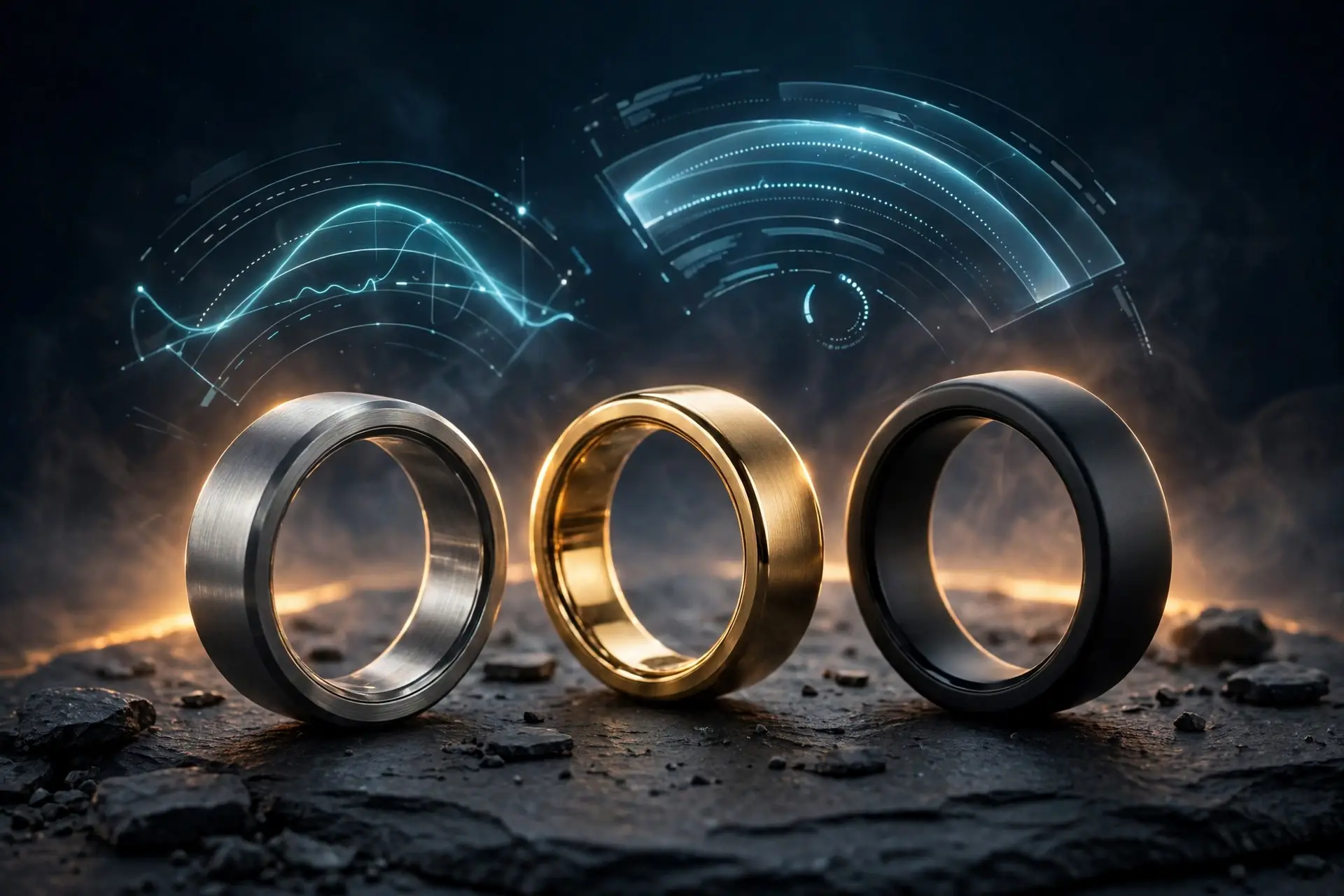
Why Smart Rings Are Winning in 2026
Comfort is the biggest reason. A ring weighs two to five grams — a fraction of any smartwatch — so most people forget they are wearing it, including overnight. That matters, because sleep tracking only works if you keep the device on.
Battery life is the second reason. While most smartwatches need charging every day or two, several rings now run for a full week or more. Since these rings track you 24/7, keep your phone charged on the move too — our guide to the best portable power banks in 2026 covers travel-ready options for any wearable routine.
- Discreet design: no screen, no notifications, no social awkwardness.
- Superior sleep tracking: worn comfortably through the whole night.
- Fewer charges: most rings last several days on one charge.
- Lower profile: ideal for workouts, formal events and travel.
Best Smart Rings 2026 Compared
A side-by-side look at all six rings, using manufacturers’ published specifications checked in late 2026. Battery figures are brand claims and vary with ring size and settings.
| Smart Ring | US Price | Battery Life | Key Sensors | Subscription |
|---|---|---|---|---|
| Oura Ring 4 | From $349 | 5–8 days | PPG (green/red/IR), SpO2, temperature | $5.99/month |
| Samsung Galaxy Ring | $399.99 list | Up to 7 days | PPG, SpO2, skin temperature | None |
| RingConn Gen 2 | From $299 | 10–12 days | PPG, SpO2, temperature | None |
| Ultrahuman Ring Air | $349 | 4–6 days | PPG, skin temperature, 6-axis motion | None |
| Amazfit Helio Ring | ~$149.99 | Up to 4 days | PPG, SpO2, temperature, EDA stress | None |
| Circular Ring Slim | $279 | Up to 4–5 days | PPG, skin temperature, accelerometer | None |
Oura Ring 4: The Benchmark
The Oura Ring 4 remains the reference point the whole category is measured against. Its titanium body weighs 3.3–5.2 grams depending on size, is water-resistant to 100 metres, and its sleep-stage and HRV algorithms have been validated as the closest to clinical sleep studies in independent testing.
Price and subscription
Oura sells the Ring 4 from $349 in Silver, with premium finishes running higher. The catch is the Oura Membership at $5.99 per month or $69.99 per year, which unlocks most app insights. Without it, the app shows only your three daily scores and battery level — pushing the real first-year cost near $420.
Battery and build
Oura rates the Ring 4 at 5–8 days per charge, with real-world reviewers typically seeing 4–7 days. The ring comes in sizes 4 to 15 — the widest size range here — and charges on a size-specific dock in roughly 80 minutes.
Samsung Galaxy Ring: Best for Android Users
The Samsung Galaxy Ring is the strongest no-subscription challenger. Launched in July 2024 at $399.99, it was listed on Samsung’s US site from $299.99 by October 2026. At 2.3–3.0 grams with a titanium build and IP68 plus 10 ATM rating, it is remarkably light.
Battery and charging case
Samsung claims up to 7 days of battery life, though the smallest sizes land closer to 5–6 days in testing. The included wireless charging case holds about two full recharges, which is handy for travel.
The Samsung-only catch
The Galaxy Ring requires Android 11 or later and does not work with iPhone. The best features — Energy Score, Galaxy AI tips, Find My Ring and the Double Pinch gesture — need a Samsung Galaxy phone.
RingConn Gen 2: Battery Champion, No Subscription
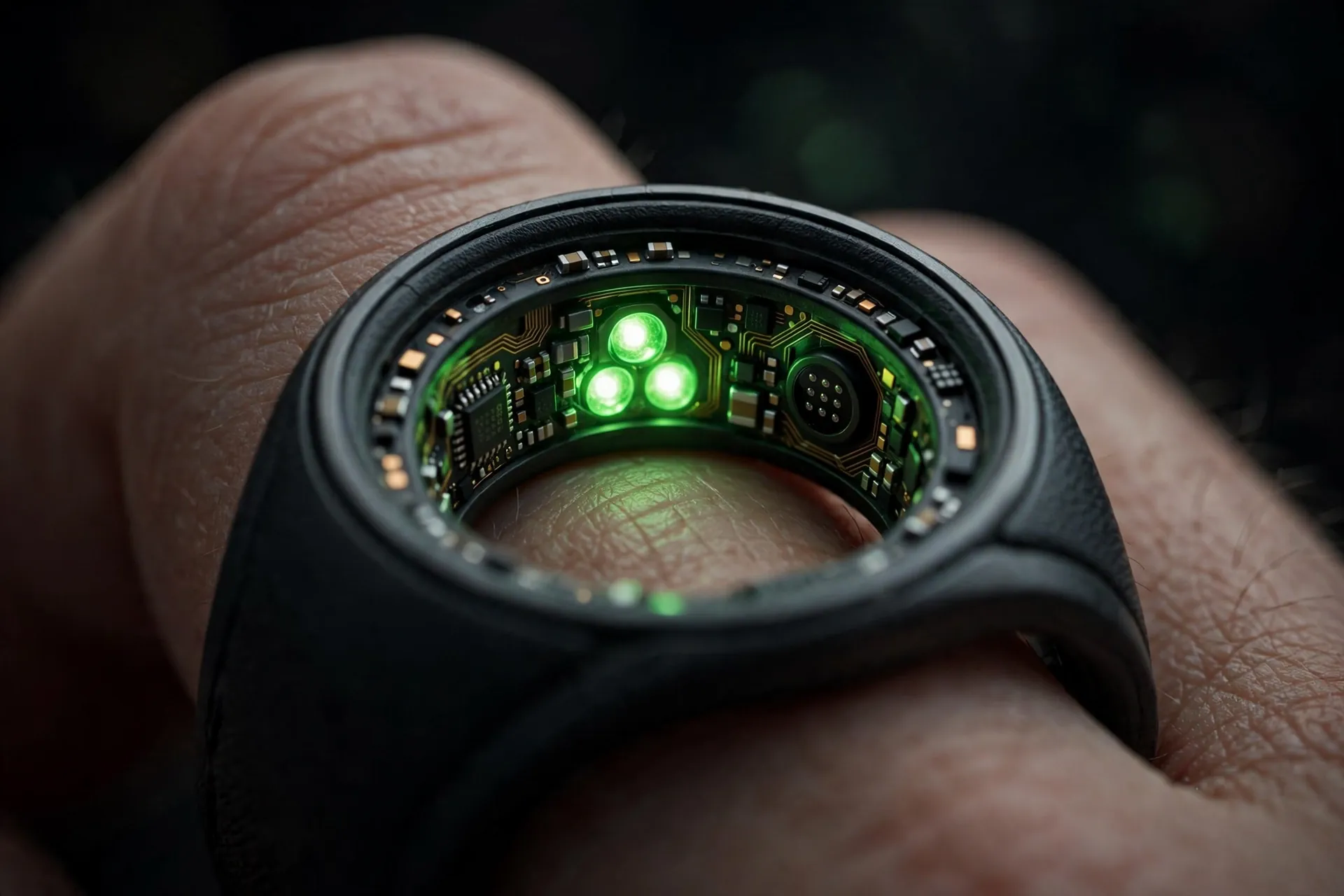
The RingConn Gen 2 wins on endurance and honest pricing. From $299 with zero subscription, it delivers a claimed 10–12 days of battery life — the longest on this list — in a titanium body just 2.0 mm thick and 2–3 grams in weight.
Sleep apnea monitoring
RingConn’s standout feature is AI-powered sleep apnea monitoring with AHI (apnea-hypopnea index) estimation from overnight SpO2 and respiratory signals. No other ring at this price offers that. It also tracks heart rate, HRV, SpO2, skin temperature, steps and calories.
What to know before buying
- Charging case included: RingConn says the case stretches total runtime past 150 days.
- Sizes 6–14: a free sizing kit is strongly recommended.
- Gen 3 exists: launched May 2026 from $349 with vibration alerts, but the Gen 2 stays the better value.
Ultrahuman Ring Air: Lightest Full-Featured Ring
The Ultrahuman Ring Air lists at $349 with every feature included and no subscription. At 2.4–3.6 grams it is one of the lightest mainstream smart rings, which most reviewers cite as its biggest comfort advantage in sleep.
Features and PowerPlugs
The Ring Air covers sleep stages, HRV, skin temperature, recovery score, cycle insights and activity. Its PowerPlugs marketplace adds opt-in trackers — caffeine, AFib screening, cycle phase — without a subscription. An optional $9.99/month Ultrahuman Pro plan adds advanced analytics.
Battery reality
Ultrahuman advertises 6 days; independent testing lands at 4–6 days — on par with Oura’s real-world range. Sizes 5 to 14, with a free sizing kit.
Amazfit Helio Ring: Best Budget Pick
The Amazfit Helio Ring launched at $299 but has settled around $149.99 at US retailers — the cheapest credible smart ring here, with no subscription and full access to HRV, sleep, stress and readiness scores from day one.
The EDA advantage
The Helio Ring’s genuine differentiator is its EDA (electrodermal activity) sensor, which measures skin conductance to detect emotional arousal — something optical heart-rate sensors alone cannot do. It carries a 10 ATM water resistance rating and works with both iPhone and Android.
The trade-offs
- Battery: Amazfit claims up to 4 days, but real-world testing lands closer to 2–3 days with all sensors running.
- Sizing: only three sizes (8, 10 and 12) with no half sizes — the sizing kit is basically mandatory.
- Pairing: strongest when paired with an Amazfit smartwatch, though it works fine standalone.
Circular Ring Slim: Thinnest With Vibration Alerts
At just 2.2 mm thick and 2 grams, the Circular Ring Slim is one of the thinnest smart rings ever made. It costs $279 with no subscription and packs PPG heart-rate, skin temperature and accelerometer sensors into a tiny frame.
Vibration motor
Unlike most smart rings, the Slim includes a vibration motor. It can wake you silently during a light sleep phase, pace guided breathing sessions, and alert you when heart rate or blood oxygen move outside your normal range.
What reviewers flag
Battery is the weak point: Circular claims up to 5 days, but hands-on reviewers consistently get 3–4 days, and the Eco mode disables the very tracking you bought the ring for. Sleep accuracy also lags behind Oura and RingConn.
How to Pick the Right Smart Ring for You
Match the ring to your priorities, not the marketing. Ask three questions before spending:
- Phone ecosystem: iPhone users should skip the Samsung Galaxy Ring entirely — it is Android-only. Oura, RingConn, Ultrahuman, Amazfit and Circular all work with iOS and Android.
- Subscription tolerance: only Oura charges a monthly fee. If the idea of renting your health data bothers you, the other five rings unlock everything with the hardware purchase.
- Battery vs. accuracy: RingConn wins on battery life, Oura wins on validated sleep accuracy, and Circular wins on comfort. Decide which trade-off fits your routine.
For background on the category’s history and how these devices evolved from simple activity bands, the smart ring article on Wikipedia is a solid starting point.
FAQ
Do smart rings work without a subscription?
Yes — five of the six rings in this guide unlock all features with the hardware purchase alone. Only the Oura Ring 4 requires its $5.99/month membership for full app insights.
Can I swim with a smart ring?
Most can. Oura, Samsung, RingConn and Amazfit are rated to 100 m or 10 ATM, so swimming and showering are fine. Rinse after salt or chlorinated water.
How accurate are smart rings compared to smartwatches?
The finger is an excellent place for optical heart-rate sensing — the signal is stronger than at the wrist. Oura’s sleep-stage algorithms have been validated against clinical polysomnography in independent studies.
Do smart rings work with iPhones?
All except the Samsung Galaxy Ring do. Samsung’s ring requires Android 11+ with the Galaxy Wearable app, and its best features need a Samsung phone.
How long do smart ring batteries last in real use?
Expect roughly 3–7 days, with RingConn’s Gen 2 the outlier at 10–12 days. Manufacturer claims assume default settings; continuous heart-rate and SpO2 monitoring shorten real-world endurance.
Conclusion
The best smart rings 2026 prove that health tracking no longer requires a bulky watch. For validated sleep science, the Oura Ring 4 remains the benchmark — if you accept the subscription. Samsung’s Galaxy Ring suits Android loyalists, RingConn’s Gen 2 is the value and battery champion, Ultrahuman’s Ring Air is the comfort king, the Amazfit Helio Ring is the budget gateway, and the Circular Ring Slim is the thinnest option with useful haptic alerts.
Whichever you choose, start with a sizing kit and wear it for a full day before committing — fit decides both comfort and sensor accuracy. The right ring is the one you forget you are wearing.
