


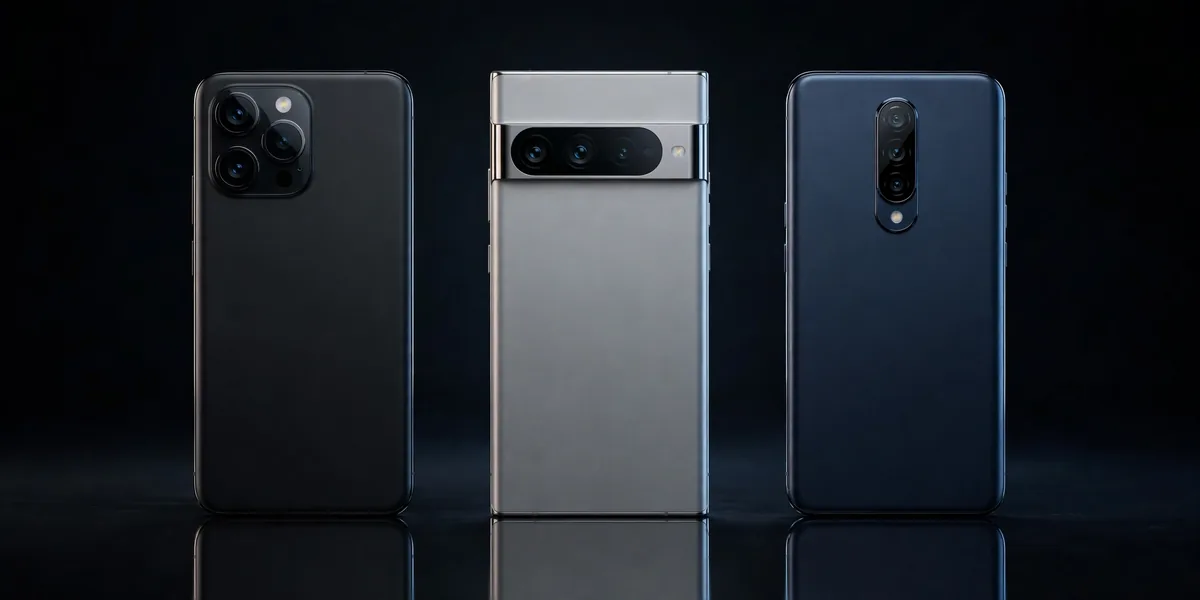
For most people, the camera is the phone. The best camera phones in 2026 have closed the gap with dedicated cameras so convincingly that the question is no longer whether a phone can take a great photo — it’s which phone takes the kind of photos you actually want.
The answer depends on what you shoot. Big sensors, clever computational photography, and periscope zoom lenses all matter, but they matter differently for a parent photographing kids indoors versus a traveler chasing sunsets. Our iPhone 17 review digs deep into one of this year’s strongest contenders, if you want the full picture on Apple’s latest.
And if you’re watching what comes next, our iPhone 18 Pro predictions break down the rumors around Apple’s upcoming flagship. Here’s how the best camera phones of 2026 compare, and which one deserves your money.
What Actually Makes a Great Camera Phone
Marketing loves megapixels. Reality is more nuanced. Three things decide photo quality far more than the number on the spec sheet.
Sensor Size Matters Most
A larger sensor captures more light, which means cleaner low-light shots and more natural background blur. This is why a 50MP phone with a big sensor beats a 200MP phone with a tiny one. When comparing phones, look for sensor size (listed as 1-inch, 1/1.3″, and so on) — bigger fractions mean bigger sensors.
Computational Photography Does the Heavy Lifting
Every photo you take is processed by AI before you see it: merging multiple exposures, reducing noise, sharpening details, balancing skin tones. Google and Apple lead here, and their processing styles differ — Google tends toward punchy contrast, Apple toward natural tones. Neither is objectively better; it’s a taste question.
Zoom Changes What You Can Shoot
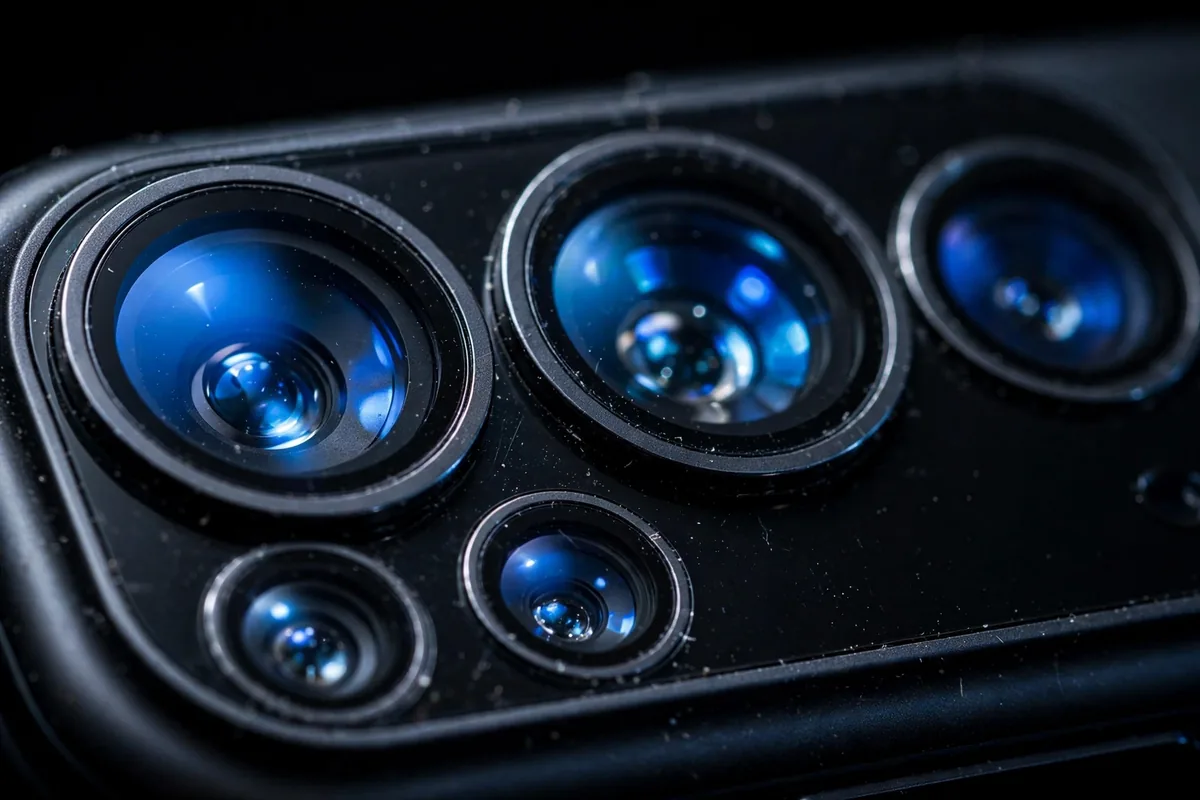
Periscope telephoto lenses now reach 5x optical zoom and beyond on flagships, with AI-enhanced digital zoom filling the gap. If you photograph kids’ sports, wildlife, or travel details, zoom quality matters more than any other single feature. Test it in a store at 10x before you decide.
iPhone 17 Pro: The Reliable All-Rounder
Apple’s 2026 flagship remains the safest recommendation for most people. Excellent main camera, best-in-class video, and color science that flatters skin tones without looking artificial. The Photonic Engine processing keeps improving, and the new camera control button makes the phone feel like a real camera in hand.
Where it wins: consistency. Every shot — day, night, portrait, video — comes out good. Where it concedes: zoom range trails the best Android periscopes, and Apple’s conservative processing can look flat next to punchier rivals.
Samsung Galaxy S26 Ultra: The Zoom King
If zoom is your priority, nothing touches Samsung’s Ultra. The periscope system delivers usable shots at distances where other phones produce mush, and the 200MP main sensor captures absurd detail in good light. Samsung’s processing has also matured — less oversaturated than the old days, still vivid.
Where it wins: zoom and versatility. Where it concedes: low-light processing can over-sharpen, and the camera system is almost too complex for casual shooters.
Google Pixel 10 Pro: The Computational Champion
Google does more with its camera hardware than anyone. Night Sight remains the low-light benchmark, Magic Editor-style AI tools are genuinely useful, and the point-and-shoot experience is the simplest here — open the app, tap, done. For people who want great photos with zero effort, this is the pick.
Where it wins: night photography and ease of use. Where it concedes: video still trails Apple, and zoom hardware is a step behind Samsung.
Xiaomi 17 Ultra: The Enthusiast’s Choice
Xiaomi’s Ultra line, built with Leica-tuned optics and a massive 1-inch sensor, is the phone for people who actually understand photography. Manual controls, RAW output that professionals respect, and a main camera that embarrasses phones twice its price in raw image quality.
Where it wins: pure still-photo quality and pro features. Where it concedes: availability is limited in some regions, and the software experience isn’t for everyone.
Which Camera Phone for Which Shooter
Everyday family photos: iPhone 17 Pro or Pixel 10 Pro. Both nail the basics — fast, reliable, great with people and indoor light.
Travel and wildlife: Galaxy S26 Ultra. Nothing else gets you this close from this far.
Night photography: Pixel 10 Pro. Google’s night processing is still the one to beat.
Photography enthusiasts: Xiaomi 17 Ultra. The manual controls and sensor will reward your effort.
Video creators: iPhone 17 Pro. Nobody else matches Apple’s video quality and stabilization.
The camera phone has come a long way from the grainy novelties of the early 2000s — today’s best are legitimate creative tools that happen to make calls.
Camera Phone Photography Tips That Actually Help
A great camera phone still needs a decent photographer behind it. These five habits will improve your photos more than any upgrade.
Clean Your Lens
It sounds obvious, but a smudged lens is the number one cause of hazy, soft phone photos. Your phone lives in pockets and bags collecting fingerprints. A quick wipe on your shirt before shooting takes two seconds and makes a visible difference.
Tap to Focus, Then Adjust Exposure
Most people just point and shoot. Tapping your subject to lock focus — then sliding the exposure control down slightly — produces richer, more balanced photos. Slightly underexposing preserves highlight detail that you can recover later; blown-out highlights are gone forever.
Use Night Mode Deliberately
Night mode works best when you hold still for the full capture. Brace the phone against something solid, or prop it up. Moving subjects will still blur — night mode can’t freeze motion, so time your shot for a still moment.
Shoot in Good Light Whenever Possible
Even the best phone cameras are dramatically better in good light. The golden hour — the hour after sunrise or before sunset — flatters every subject. Harsh midday sun creates unflattering shadows; open shade is your friend.
Frequently Asked Questions About Camera Phones
Do more megapixels mean better photos?
Not necessarily. Sensor size, lens quality, and image processing matter far more. A 50MP camera with a large sensor beats a 200MP camera with a small one in most real-world shooting.
Which phone has the best camera in 2026?
There’s no single winner. The iPhone 17 Pro is the most consistent all-rounder, the Galaxy S26 Ultra has the best zoom, the Pixel 10 Pro leads in night photography, and the Xiaomi 17 Ultra wins on pure still-image quality.
Is a flagship camera phone worth it over a mid-range phone?
For photography enthusiasts, yes — the gap in low light, zoom, and video is significant. For casual shooters who mostly post to social media, a good mid-range phone is plenty.
How important is optical zoom?
Very, if you shoot anything at a distance — kids’ sports, concerts, travel, wildlife. Digital zoom has improved with AI, but optical zoom still wins on real detail.
Should I shoot in RAW on my phone?
Only if you enjoy editing. RAW files give you far more control in post-processing, but for most people the phone’s automatic processing produces better results with zero effort.
Conclusion
The best camera phone in 2026 is the one that matches how you actually shoot. Want consistency and great video? iPhone 17 Pro. Need zoom? Galaxy S26 Ultra. Shoot mostly at night? Pixel 10 Pro. Love manual control? Xiaomi 17 Ultra. Ignore the megapixel marketing, think about your real shooting habits, and pick the phone whose strengths line up with them. Any of these four will take photos you’ll be proud of — the differences are in the details, and the details are what make photography fun.
