


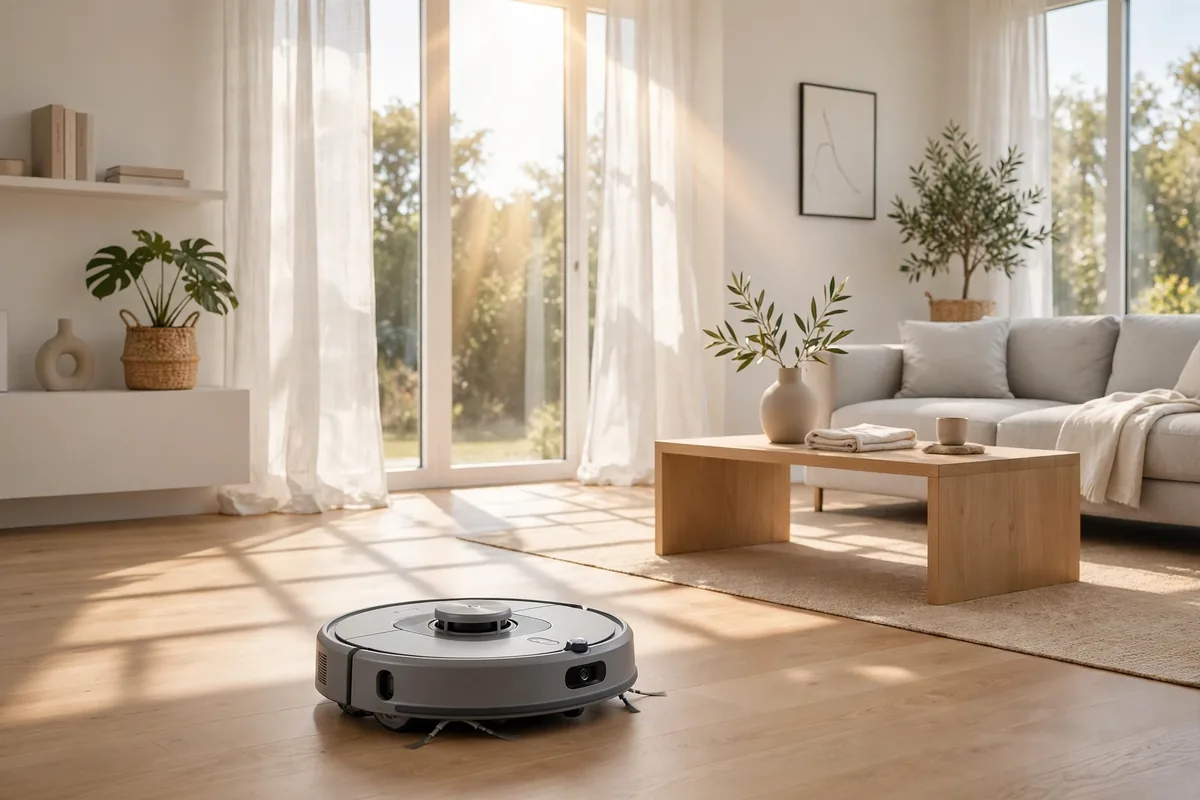
Nobody dreams of owning a robot vacuum. Nobody shows it off to guests or posts unboxing videos with genuine excitement. And yet, a few weeks after buying one, most owners say the same thing: they can’t imagine going back to vacuuming by hand.
That’s the strange appeal of the robot vacuum. It’s not exciting — it’s quietly life-changing. It cleans while you’re at work, sneaks under furniture you’d never move, and keeps floors at a baseline level of clean that manual vacuuming never quite maintains. Like the best useful gadgets, it disappears into your routine until you notice how much you’d miss it.
But not all robot vacuums are worth the money. Navigation quality varies wildly, mopping features range from genuinely useful to pure marketing, and the price spread — from under $200 to over $1,000 — makes choosing genuinely confusing. Our wireless earbuds review took the same value-first approach: forget the longest feature list, focus on what you actually get for the money.
This robot vacuum review does the same. No single winner, because the right choice depends on your home — just honest guidance on what’s worth paying for.
Why Robot Vacuums Are Worth a Serious Look
The math is simple: a robot vacuum cleans more often than you ever will. Even a mid-range model running three times a week keeps dust, pet hair, and crumbs under control in a way that weekend vacuuming never does. For pet owners and allergy sufferers, that frequency matters more than any single deep clean.
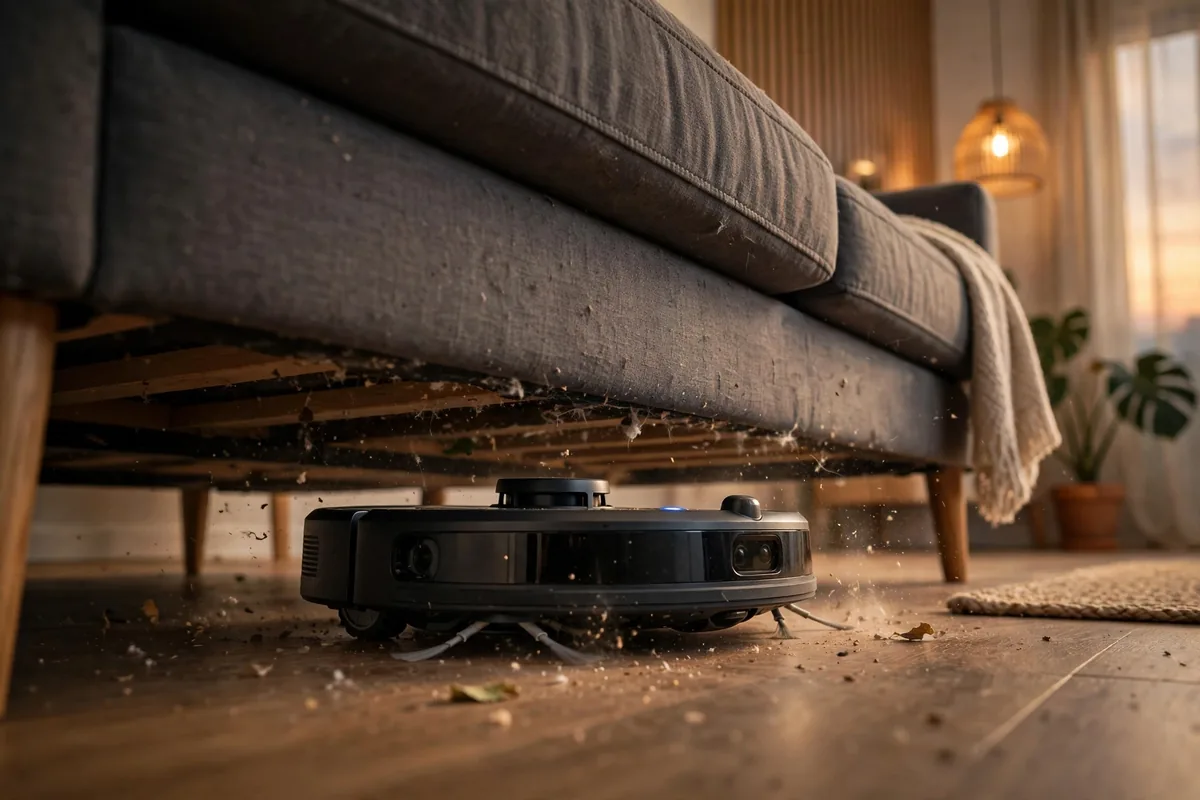
They’re also better at the annoying spots. Under beds, under sofas, along baseboards — the places manual vacuums reach rarely. A robot goes there every single run without complaint.
What Actually Matters When Choosing
Navigation: The Single Most Important Feature
This is where cheap and good robot vacuums diverge most. LiDAR-based navigation maps your home precisely, cleans in efficient rows, and rarely gets stuck. Camera-based navigation is decent. Random-bounce navigation — the kind in the cheapest models — cleans by luck, misses spots, and will test your patience. If your budget allows one upgrade, spend it on navigation.
Suction Power in Real Terms
Manufacturers love quoting Pascals, but the numbers are hard to compare across brands. What matters: enough suction for your floors. Hard floors need surprisingly little; medium-pile carpet needs a lot more. If you have mostly carpet and pets, don’t buy the cheapest model — you’ll be disappointed.
Mopping: Useful or Gimmick?
It depends on the implementation. Basic mopping — a damp pad dragged behind the vacuum — handles light dust on hard floors fine. It’s not scrubbing anything. Premium models with rotating mop pads or auto-lifting mops do meaningfully better. Treat mopping as a bonus that maintains floors between real mops, not a replacement for mopping.
Battery and Self-Emptying
Most decent robot vacuums run 90–180 minutes, enough for an average home. Self-emptying docks are the real quality-of-life upgrade: instead of emptying a tiny dustbin every run, you empty a bag every month or two. For pet owners, this feature alone justifies the price jump.
The App Experience
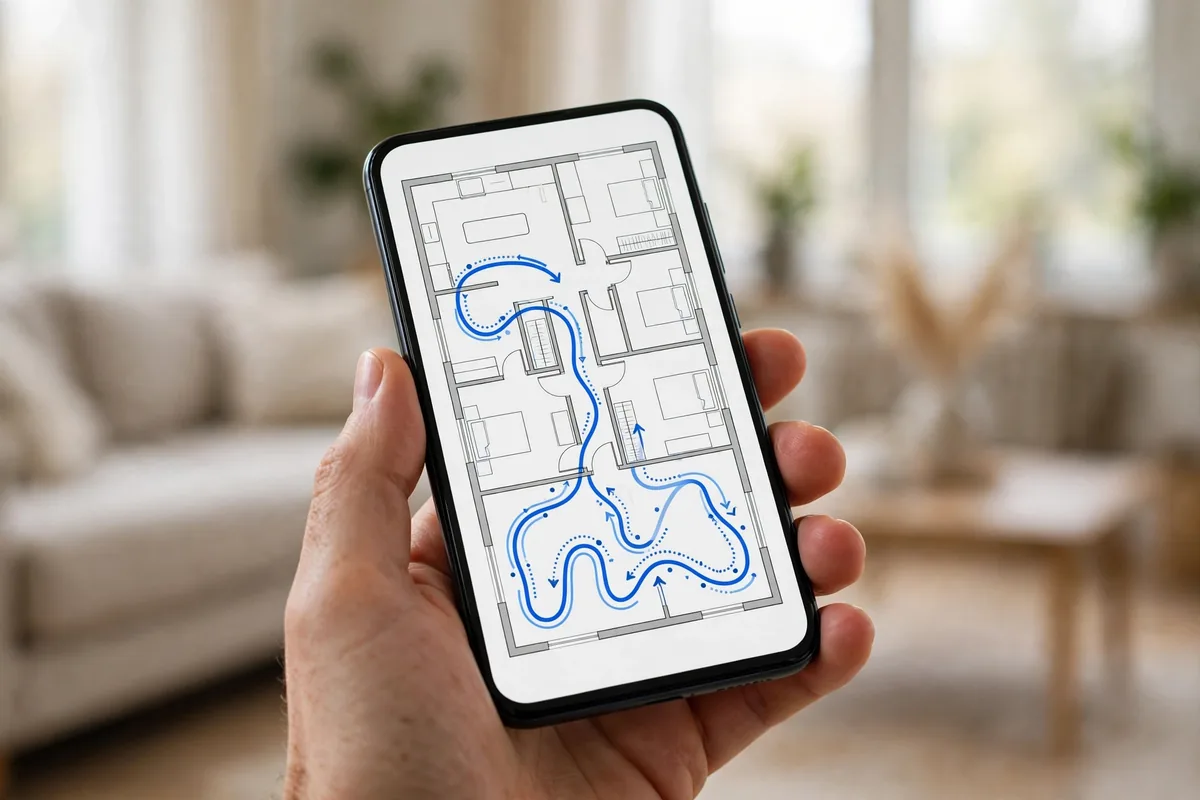
You’ll live in the app, so it matters. Look for room-by-room mapping, no-go zones, scheduled cleaning, and multi-floor maps. A great robot with a terrible app is a frustrating ownership experience. Check recent app store reviews before buying — they’re more honest than the marketing.
Robot Vacuums Worth Your Attention
Roborock S8 MaxV Ultra: The Premium All-Rounder
If you want the best and the budget allows, this is it. Excellent LiDAR navigation, strong suction, genuinely good mopping with auto-lifting pads, and a self-emptying dock that handles dust and mop washing. It’s expensive, but it replaces the most manual vacuuming of anything here.
iRobot Roomba Combo j9+: The Safe Brand Pick
iRobot practically invented this category, and it shows in the details — obstacle avoidance that actually dodges pet waste and cables, reliable app, and strong customer support. Slightly behind Roborock on raw specs, ahead on polish and peace of mind.
Eufy X10 Pro Omni: The Value Sweet Spot
The best balance of price and performance in 2026. LiDAR navigation, solid mopping, self-emptying dock — features that cost far more from premium brands. It makes small compromises on obstacle avoidance and app polish, but for most homes it’s 90% of the flagship experience at 60% of the price.
Dreame L40 Ultra: The Feature Packer
Dreame keeps adding features faster than anyone — extendable mops, powerful suction, clever dock designs. If you love having the latest tech and don’t mind occasional software quirks, it offers flagship specs at upper-midrange prices.
Matching a Robot Vacuum to Your Home
Mostly hard floors, no pets: A mid-range LiDAR model is plenty. You don’t need maximum suction — navigation quality matters more.
Pets and carpet: Prioritize suction power and a self-emptying dock. You’ll empty a standard dustbin constantly without one.
Large multi-floor home: Look for multi-floor mapping and long battery life, or plan to carry the robot between floors.
Small apartment: Save your money. A compact mid-range model will cover the whole place in one run, and premium features are overkill.
The robotic vacuum cleaner has evolved from a novelty that bumped into walls to a genuinely capable home appliance — the navigation technology in particular has improved enormously in the last five years.
Frequently Asked Questions
Are robot vacuums worth it in 2026?
Yes, for most homes. They clean more frequently than manual vacuuming ever will, reach spots you’d never bother with, and the mid-range models have become genuinely good. They’re a complement to deep cleaning, not a complete replacement.
Do robot vacuums work on carpet?
Yes, but suction power matters. Budget models struggle with medium and thick carpet. If your home is mostly carpeted, invest in a model with strong suction and a self-emptying dock.
How often should a robot vacuum run?
Three to four times a week is the sweet spot for most homes. Daily runs make sense with pets or allergies. The point is frequency — that’s the whole advantage over manual vacuuming.
Do I need the mopping feature?
It’s a nice bonus for hard floors, not a reason to choose one model over another. Basic mopping maintains floors between real mops; only premium models mop well enough to notice.
How long do robot vacuums last?
Typically 3–5 years with basic maintenance — emptying the bin or dock, cleaning brushes and sensors monthly, replacing filters and brushes yearly. Battery replacements can extend life further.
Can robot vacuums handle pet hair?
The good ones can, and pet owners are among the happiest robot vacuum buyers. Look for strong suction, tangle-resistant brushes, and a self-emptying dock — you’ll fill a standard dustbin in a single run otherwise.
Final Take on the Best Robot Vacuum
There’s no universal winner here because the right robot vacuum depends on your floors, your pets, and your budget. The Roborock S8 MaxV Ultra is the best all-rounder for those who want it all. The iRobot Roomba Combo j9+ is the safest pick for reliability and support. The Eufy X10 Pro Omni is where most buyers should land — flagship-level cleaning without the flagship price. Whatever you choose, prioritize navigation quality over headline suction numbers, and get the self-emptying dock if pets are in the picture. The smartest purchase isn’t the most expensive robot. It’s the one that quietly keeps your floors clean while you forget it exists.
